
New Gravel Driveways
Excavated, built up with granular base and topped with crushed gravel.
A gravel driveway is only as good as what's under it. We build proper bases, add the right crown and make sure water drains off — so your driveway or laneway holds up through freeze-thaw and spring mud.
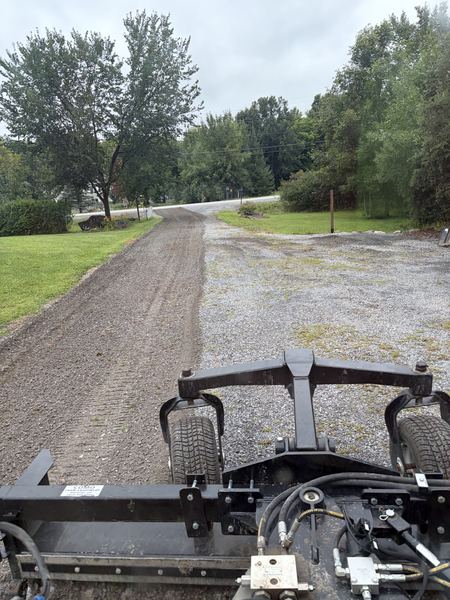
Excavated, built up with granular base and topped with crushed gravel.
Long laneways through fields and bush, built high and crowned to stay dry.
Fresh gravel over an existing driveway that has thinned out or turned to mud.
Land-plane regrading to remove ruts, potholes and washboard.
New or rebuilt entrances at the road, with a culvert where the ditch needs one.
Gravel pads for parking, trailers, RVs and equipment.
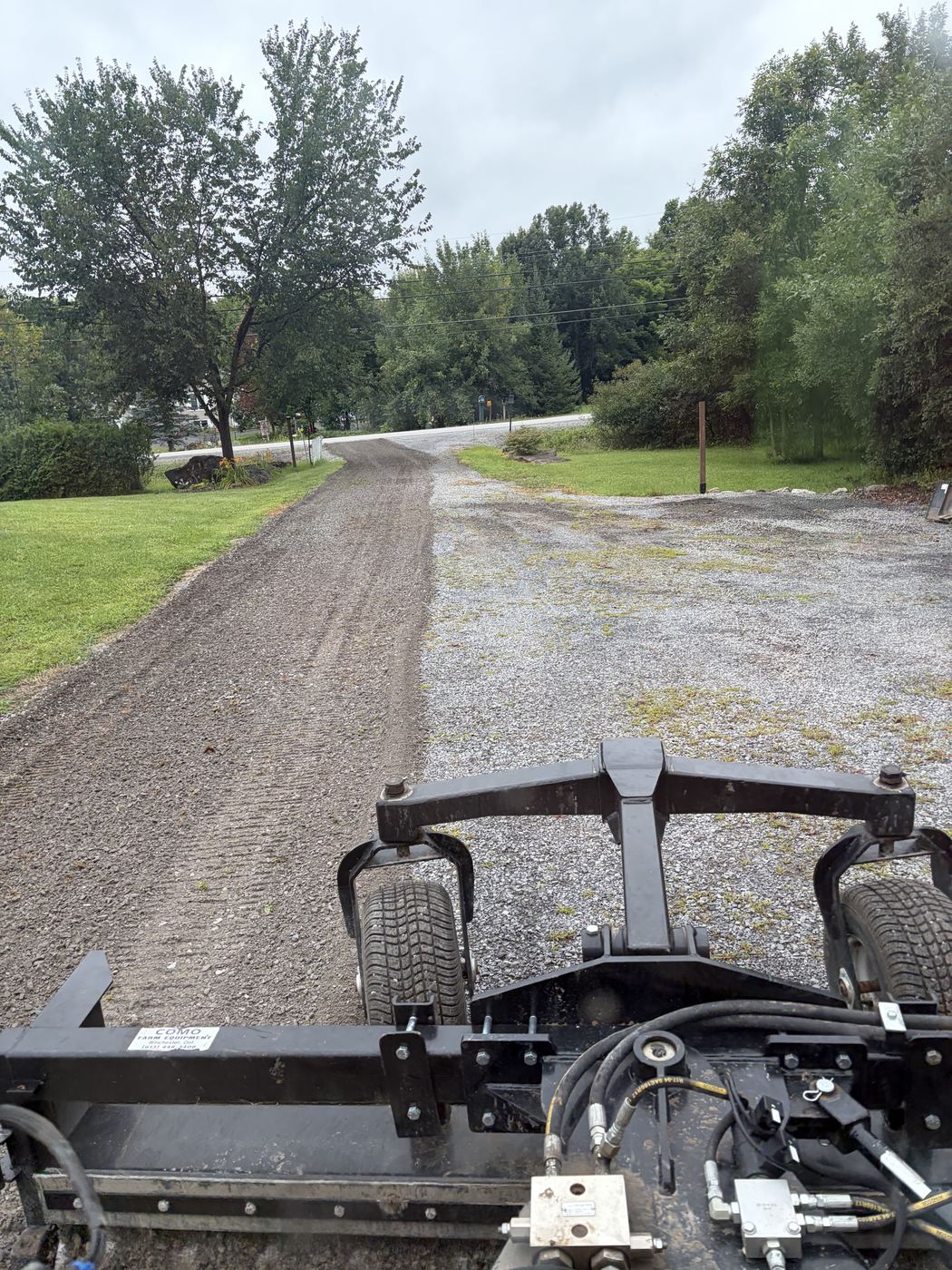
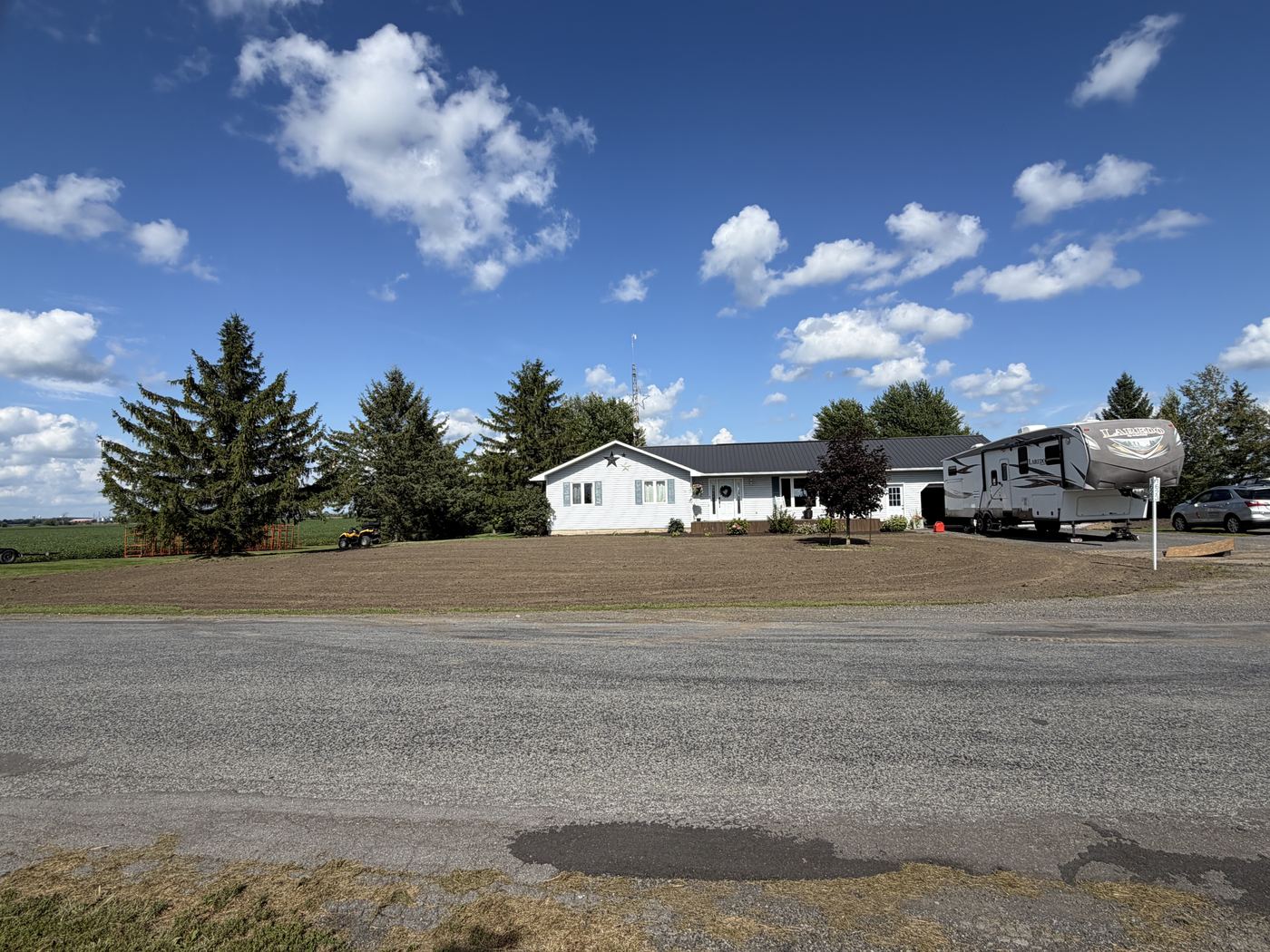
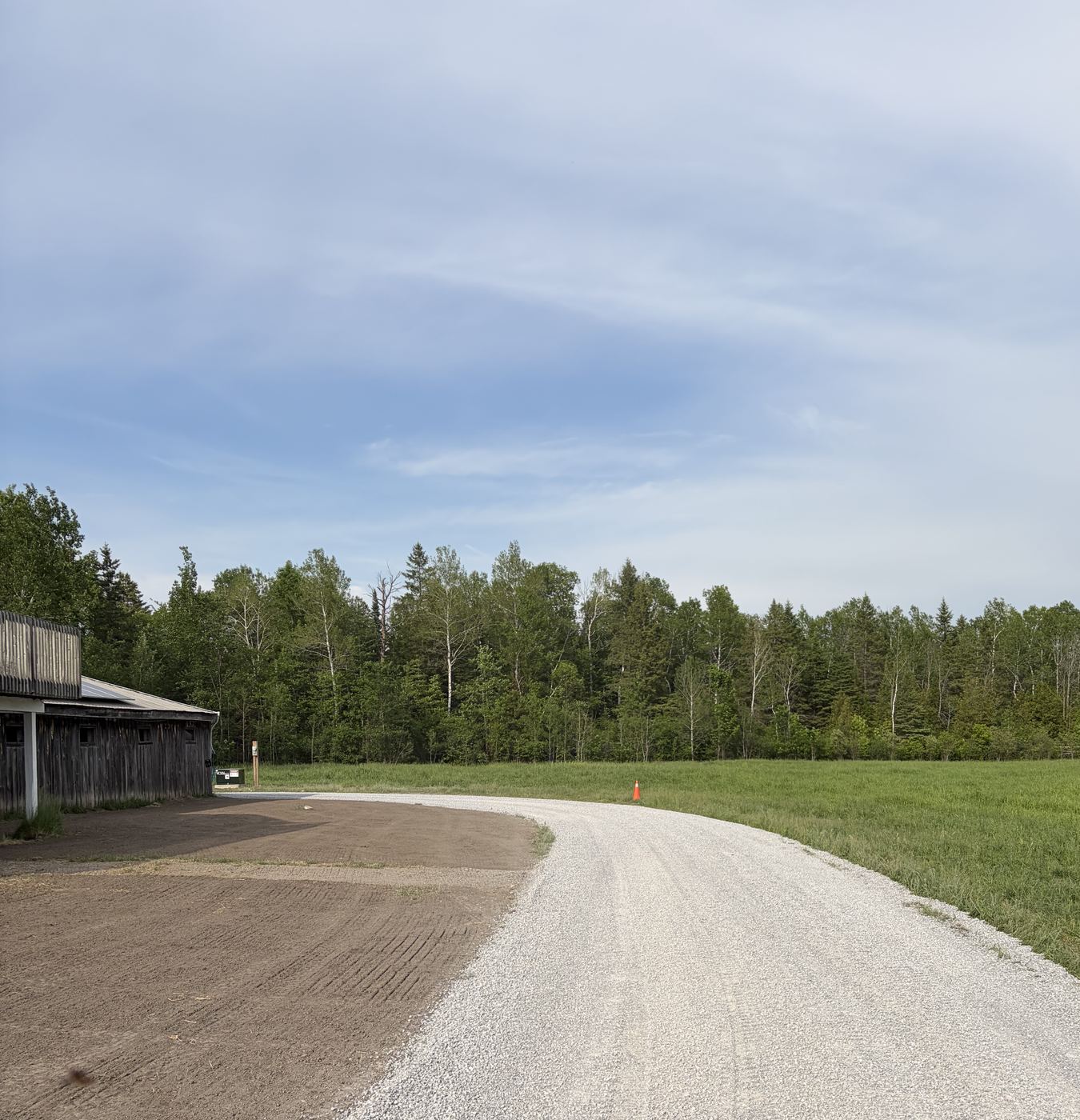
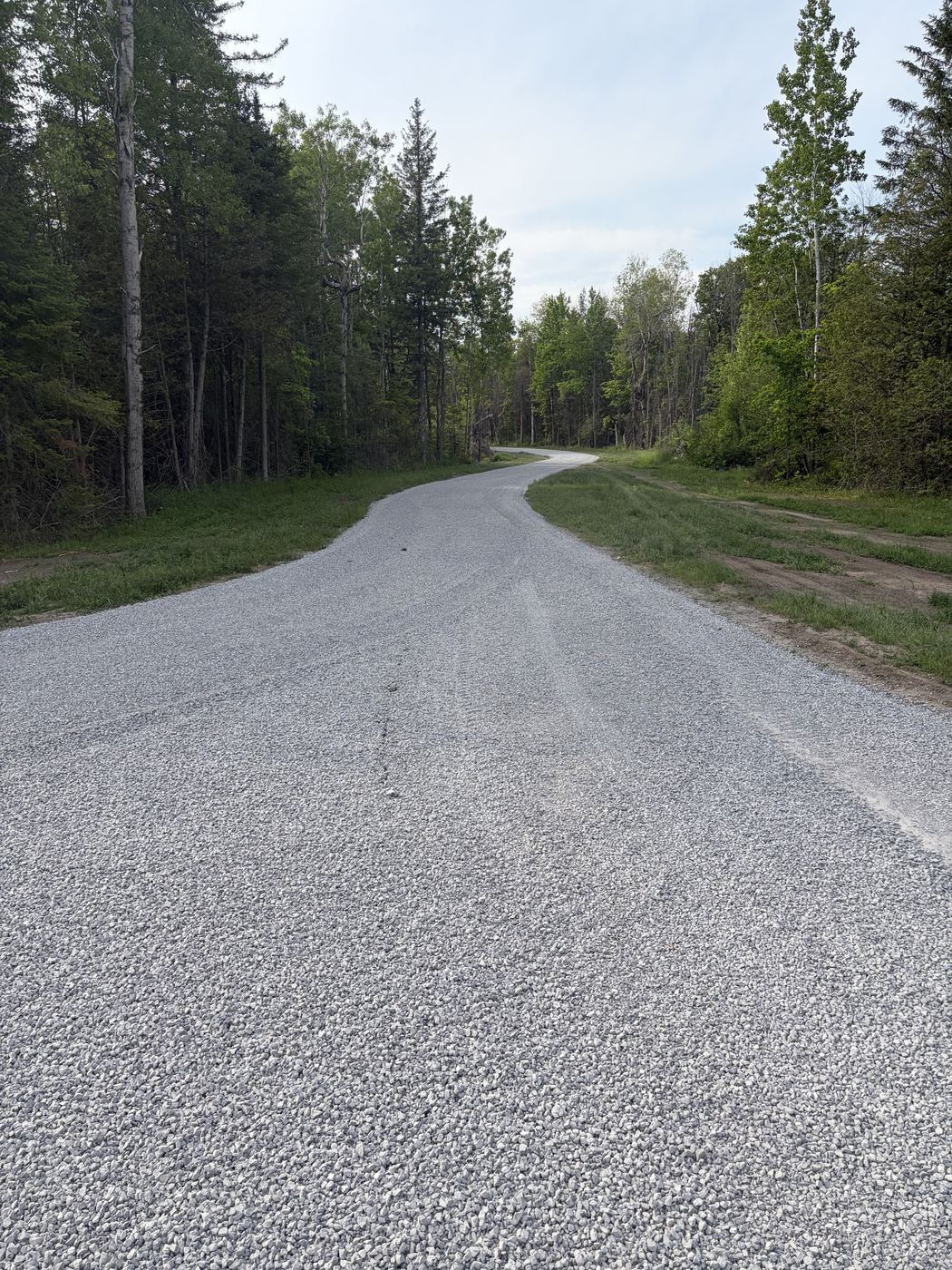
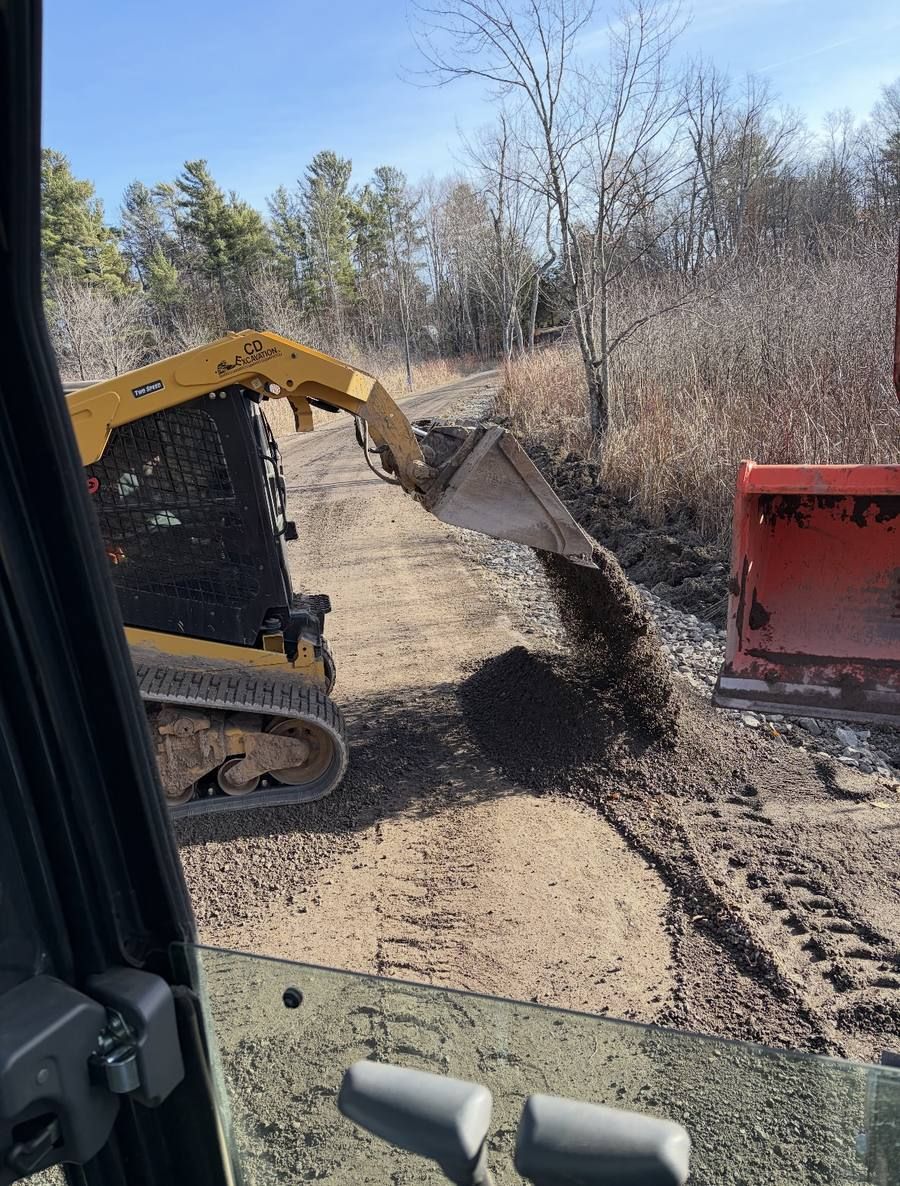
Most driveway problems start with a thin base or no crown. On a new driveway we strip the topsoil, lay geotextile where the ground is soft, build up granular A or B in compacted lifts, and finish with a crown so water runs off both sides.
On an existing driveway, we usually regrade first with the land plane to rebuild the crown and fill the potholes, then top it with fresh gravel.
We're an owner-operated crew: we walk every site before we price it, show up when we say we will, and leave it graded out clean.
It depends on the soil, but on Eastern Ontario clay we typically build 12 to 18 inches of granular on a new driveway. Thin bases are the main reason driveways rut and pothole.
Most driveways benefit from a regrade every one to three years, depending on traffic and how well they drain. Regrading is much cheaper than rebuilding once the base fails.
Yes — laneways through fields and bush are a big part of our work, including the culverts and entrances that go with them.
Tell us about your project and we'll get back to you with a free, no-obligation estimate within 24–48 hours.
